
Fashion
Outfit Boho: Easy Boho Outfit Ideas and Styling Tips

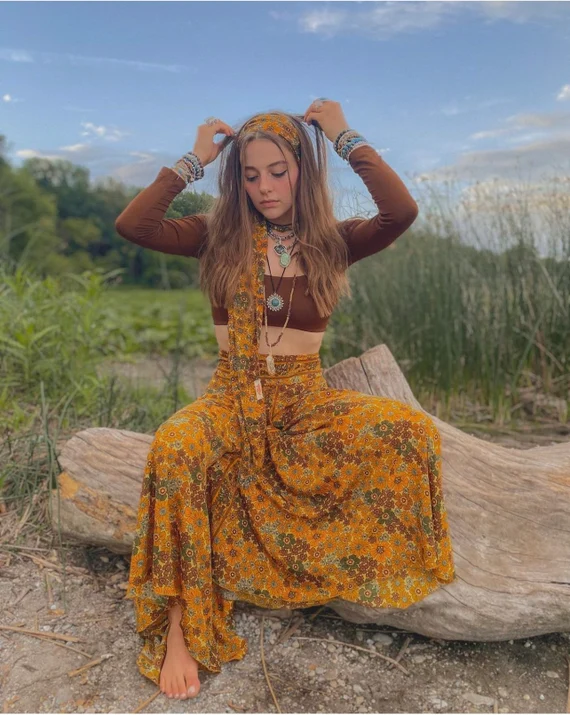
Boho fashion is all about relaxed clothing, natural textures, flowing shapes, artistic patterns, and personal style. An outfit boho look can be simple enough for everyday wear or more expressive for festivals, vacations, beach days, and special occasions.
The best part of boho style is that you do not need a completely new wardrobe. A flowing dress, wide-leg pants, a printed blouse, layered jewelry, or a woven bag can instantly add a bohemian touch to a simple outfit.
What Is an Outfit Boho?
An outfit boho is a clothing combination inspired by bohemian fashion. It typically features relaxed silhouettes, earthy colors, natural fabrics, vintage-inspired details, floral or paisley patterns, embroidery, crochet, fringe, and layered accessories.
Boho style is flexible rather than rule-based. You can create a subtle bohemian appearance with jeans and a loose blouse, or choose a stronger look with a flowing maxi dress, ankle boots, a fringe bag, and layered jewelry.
Key Elements of Boho Fashion
Several features commonly appear in bohemian outfits. You do not need to use all of them in one look.
Flowing and Relaxed Clothing
Loose and comfortable silhouettes are central to boho fashion. Maxi dresses, flowing skirts, oversized blouses, wide-leg trousers, and lightweight layers create the movement associated with this style.
Instead of choosing clothing that feels highly structured, look for pieces that move naturally when you walk.
Earthy and Warm Colors
Boho outfits often use natural-looking shades such as:
- Beige
- Cream
- Brown
- Rust
- Terracotta
- Olive
- Mustard
- Warm white
However, boho fashion is not limited to neutral colors. Floral prints, colorful embroidery, deep reds, turquoise, and other rich shades can also work beautifully.
Natural Textures
Texture gives a boho outfit much of its character. Linen, cotton, crochet, lace, suede, denim, woven materials, and fringe are popular choices.
For example, a simple cotton dress can look much more bohemian when combined with a woven handbag and textured sandals.
Prints and Embroidery
Floral, paisley, geometric, and vintage-inspired prints are frequently associated with bohemian clothing. Embroidery can also add a handmade and artistic feel.
If your clothing has a strong pattern, balance it with simpler accessories so the outfit does not look too busy.
Essential Pieces for a Boho Wardrobe
You can build a versatile boho wardrobe with a few key pieces.
Maxi Dresses
A maxi dress is one of the easiest ways to create a boho look. Choose a flowing design with a floral print, embroidery, earthy color, or relaxed shape.
For a casual appearance, pair it with flat sandals and a woven bag. For cooler weather, add ankle boots and a denim or suede-style jacket.
Loose Blouses
A loose or peasant-style blouse works with jeans, skirts, and wide-leg trousers. Embroidery, lace details, puff sleeves, or subtle patterns can make the blouse feel more bohemian.
Wide-Leg Pants
Wide-leg pants provide the relaxed shape that works well with boho styling. Pair them with a fitted tank top, tucked-in blouse, or cropped knit top to create balance.
Flowing Skirts
Maxi and midi skirts are useful for creating feminine boho outfits. A printed skirt can be paired with a plain top, sandals, layered necklaces, and a casual handbag.
Crochet Tops
Crochet adds texture and a handmade appearance to an outfit. It works particularly well for summer, beach, and festival looks.
Easy Outfit Boho Ideas
1. Casual Boho Outfit
For everyday wear, try a loose embroidered blouse with straight-leg jeans, ankle boots, and layered necklaces.
This combination is comfortable without looking overly styled. You can also replace the boots with sandals during warmer months.
2. Boho Summer Outfit
A lightweight maxi dress, flat sandals, woven handbag, and simple jewelry make an easy summer boho outfit.
Choose breathable materials such as cotton or linen when the weather is hot. A wide-brim hat can provide both style and practical sun protection.
3. Boho Festival Outfit
For a festival-inspired look, combine a printed skirt or dress with ankle boots, a crossbody bag, layered jewelry, and a textured jacket or vest.
Fringe, embroidery, crochet, and statement accessories can make the outfit more expressive.
4. Boho Beach Outfit
A loose maxi dress, wide-leg linen pants, or lightweight skirt can work well for a beach-inspired boho look.
Complete the outfit with sandals, a woven tote, sunglasses, and minimal jewelry.
5. Boho Chic Outfit
Boho chic is a more polished interpretation of traditional bohemian fashion. Combine one relaxed boho piece with cleaner, more structured basics.
For example, wear a flowing printed blouse with tailored trousers, a simple belt, and understated jewelry. This keeps the artistic character of boho style while making the outfit suitable for more polished settings.
How to Style an Outfit Boho
Creating a boho outfit does not have to be complicated. Follow a few simple steps.
Start With One Statement Piece
Choose a maxi dress, printed skirt, embroidered blouse, crochet top, or wide-leg pants as the main piece.
Add Complementary Basics
If your main piece has a bold print or detailed design, choose simpler clothing around it. This prevents the outfit from becoming visually overwhelming.
Mix Different Textures
Combine materials such as cotton, denim, crochet, suede, linen, or woven fabrics. Mixing textures creates depth without requiring lots of colors.
Add Accessories
Layered necklaces, bracelets, rings, scarves, belts, hats, and woven bags can strengthen the bohemian appearance.
You do not need every accessory at once. Two or three carefully chosen pieces are often enough.
Choose the Right Footwear
Sandals are ideal for summer and beach outfits, while ankle boots work well for autumn, festivals, and cooler weather.
Boho Outfit Ideas for Every Season
Spring Boho Style
Spring is perfect for lightweight layers. Try a floral maxi dress with a denim jacket and ankle boots. You can also combine a flowing skirt with a simple blouse and woven handbag.
Summer Boho Style
Keep summer outfits light and breathable. Maxi dresses, linen pants, crochet tops, sandals, and woven accessories are excellent choices.
Autumn Boho Style
Autumn allows you to introduce richer colors and heavier textures. Try rust, olive, brown, cream, and mustard with ankle boots, denim jackets, knitwear, or suede-style layers.
Winter Boho Style
Boho fashion can also work during winter. Layer a flowing dress or skirt with a chunky sweater, long coat, boots, scarf, and textured accessories.
The key is to maintain the relaxed shape while adding enough layers for warmth.
Common Boho Styling Mistakes
Boho fashion encourages creativity, but balance still matters.
Using too many patterns: Several bold prints can compete for attention. Choose one dominant pattern and keep the other pieces relatively simple.
Overloading accessories: Layered jewelry is popular in boho fashion, but too many accessories can make an outfit look cluttered.
Ignoring proportions: Wearing several oversized pieces together can sometimes hide your shape. Balance a loose item with a more fitted or structured piece when appropriate.
Only wearing neutral colors: Brown and beige are common boho colors, but colorful prints and embroidery can make the outfit more interesting.
Trying too hard to look bohemian: You do not need every piece to have fringe, embroidery, or a vintage-inspired pattern. Sometimes one boho statement piece paired with modern basics creates the best result.
How to Make Boho Style Look Modern
A modern boho outfit combines relaxed bohemian details with contemporary wardrobe basics.
For example, pair a flowing floral skirt with a simple fitted top and clean sandals. Alternatively, wear wide-leg trousers with a minimalist blouse and add a woven bag or layered necklace.
The goal is to create a balanced outfit rather than wearing several highly decorative pieces together.
Final Thoughts
An outfit boho can be comfortable, creative, and easy to personalize. Start with relaxed clothing such as maxi dresses, flowing skirts, wide-leg pants, or loose blouses, then introduce natural textures, earthy colors, prints, and a few well-chosen accessories.
You do not have to follow strict fashion rules. The strongest boho looks usually combine comfort with personality. Whether you prefer a simple everyday outfit or a more expressive festival style, bohemian fashion gives you plenty of room to experiment.
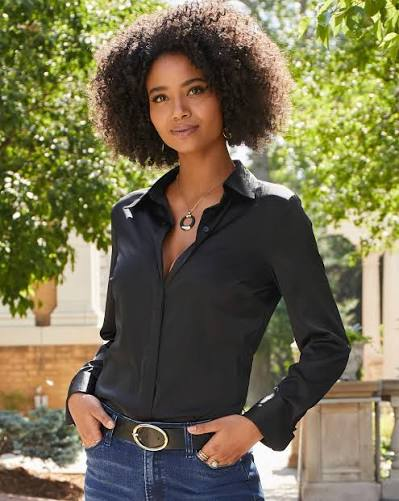
Blouses are one of the most versatile pieces in women’s fashion. They can be relaxed enough for everyday wear, polished enough for an office, or elegant enough for a dinner or special occasion. The right blouse can also change the overall look of an outfit without requiring a completely new wardrobe.
Understanding blouse styles, fabrics, fits, necklines, and styling options makes it easier to choose pieces that suit your personal style and the occasion.
Quick Answer: What Are Blouses?
A blouse is a type of women’s upper-body garment that is usually more varied and decorative than a basic shirt. Blouses can have different necklines, sleeves, fabrics, silhouettes, patterns, and details such as ruffles, bows, pleats, or gathers. They can be worn with jeans, trousers, skirts, suits, and other wardrobe staples.
What Makes a Blouse Different From Other Tops?
The word blouse describes a broad category rather than one specific design. A blouse may have a button front like a traditional shirt, but it can also feature flowing fabric, a decorative neckline, loose sleeves, or a more feminine silhouette.
Compared with a basic T-shirt, blouses generally offer more variation in construction and styling. Compared with conventional shirts, they often place greater emphasis on fabric, shape, drape, and decorative details.
This flexibility is one reason women’s blouses work across casual, professional, and dressy wardrobes.
Popular Types of Blouses
There are many blouse designs, and the best choice depends on your preferred style, body shape, comfort, and occasion.
1. Button-Front Blouses
Button-front blouses are among the easiest styles to wear. They typically have buttons running down the front and may resemble a traditional shirt while using softer fabrics or more decorative details.
Wear one with tailored trousers for work or jeans for a casual outfit.
2. Wrap Blouses
Wrap blouses cross over the front of the body and usually tie at the waist or side. Their adjustable shape can create definition around the waist while producing a flattering V-shaped neckline.
They work particularly well with high-waisted trousers, skirts, and simple accessories.
3. Peplum Blouses
Peplum blouses are fitted around the upper body and flare outward near the waist or hips. The additional fabric creates a defined silhouette.
They can be paired with slim trousers, straight-leg pants, or fitted skirts to balance the volume of the peplum.
4. Tunic Blouses
Tunic blouses are generally longer and looser than conventional blouse designs. They can provide additional coverage and create a relaxed silhouette.
Depending on the fabric, tunic styles can work with leggings, slim trousers, jeans, or wide-leg pants.
5. Ruffle Blouses
Ruffle blouses use gathered or layered fabric as a decorative feature. Ruffles may appear around the neckline, sleeves, shoulders, or front.
Because the details can add visual volume, consider the placement of the ruffles when creating an outfit.
6. Pussy-Bow Blouses
A pussy-bow blouse features a long fabric tie or bow around the neckline. The style is associated with polished, feminine dressing and can work especially well in professional or semi-formal outfits.
Pair it with tailored trousers or a simple skirt so the neckline remains the focal point.
7. Off-Shoulder Blouses
Off-shoulder designs leave the shoulders exposed and are often chosen for warm-weather outfits, vacations, parties, or relaxed social occasions.
They can be styled with jeans, shorts, skirts, or wide-leg trousers depending on the desired look.
8. Oversized Blouses
Oversized blouses have a loose, relaxed silhouette. They can provide comfort while creating a modern, effortless appearance.
If the blouse is very loose, pairing it with more structured or fitted bottoms can help maintain visual balance.
Common Blouse Fabrics
Fabric affects how a blouse looks, feels, drapes, and performs.
| Fabric | Typical Characteristics | Good For |
|---|---|---|
| Cotton | Breathable and practical | Everyday wear, office outfits |
| Silk | Smooth, lightweight, luxurious | Formal and dressy looks |
| Chiffon | Lightweight and flowing | Evening and occasion wear |
| Satin | Smooth with a subtle sheen | Dressy outfits |
| Linen | Lightweight and breathable | Warm-weather dressing |
| Viscose | Soft with fluid drape | Casual and smart-casual outfits |
| Polyester | Durable and often easy to maintain | Everyday and workwear |
Always check the garment’s care label because fabric blends can require different washing and drying methods.
How to Choose the Right Blouse
Choosing a blouse is not only about color or trend. Fit, fabric, neckline, and proportion can have a major effect on how comfortable and useful the garment will be.
Consider the Occasion
Start by deciding where you plan to wear it.
- Work: Choose polished fabrics, moderate necklines, and structured or tailored silhouettes.
- Casual outings: Cotton, linen, relaxed button-front styles, and printed designs can work well.
- Evening events: Satin, silk, chiffon, or embellished designs can create a dressier appearance.
- Summer: Lightweight fabrics and breathable constructions are often more comfortable.
- Layering: Choose a blouse that sits comfortably beneath a blazer, cardigan, or jacket.
Pay Attention to Fit
A good blouse should allow comfortable movement without excessive pulling across the chest, shoulders, or buttons.
Check the shoulder seams, sleeve movement, neckline, and overall length. If a blouse feels restrictive when you raise your arms or sit down, the cut may not be suitable even if the garment looks good while standing.
Think About Proportion
Proportion can make an outfit look more balanced.
For example, a flowing blouse can be paired with straight or fitted trousers, while a more fitted blouse can work with wide-leg pants or a fuller skirt.
This does not mean there is one correct body type for any blouse. It simply gives you a useful starting point for creating different silhouettes.
How to Style Blouses
Blouses are particularly useful because they can be dressed up or down.
With Jeans
Pair a printed or relaxed blouse with straight-leg or wide-leg jeans for an easy everyday outfit. Add flats, sneakers, or ankle boots depending on the setting.
With Tailored Trousers
A blouse tucked into tailored trousers creates a polished look suitable for offices, meetings, dinners, and smart-casual occasions.
With a Skirt
A blouse and skirt combination can range from casual to formal. A simple tucked blouse works well with a structured skirt, while a flowing blouse can create a softer silhouette.
Under a Blazer
A blouse under a blazer is a practical way to create a professional outfit. Neutral colors offer versatility, while subtle prints can add personality.
With Wide-Leg Pants
For a contemporary silhouette, try a fitted or partially tucked blouse with wide-leg trousers. A defined waist can help balance the volume of the pants.
Blouses for Different Occasions
The same basic garment category can work for very different settings.
For the office: Look for clean lines, comfortable fabrics, and colors or patterns that coordinate easily with workwear.
For casual wear: Choose relaxed silhouettes, breathable fabrics, simple prints, or denim-friendly designs.
For parties: Satin, chiffon, statement sleeves, interesting necklines, or decorative details can make a blouse feel more special.
For formal occasions: Elegant fabrics and refined construction generally work better than overly casual materials or graphics.
For travel: Prioritize comfort, easy layering, versatile colors, and fabrics that are practical for your destination.
Blouse vs. Shirt vs. Top: What’s the Difference?
The terms can overlap, but there are useful distinctions.
| Garment | General Meaning |
|---|---|
| Blouse | A broad category of women’s upper-body garments with varied silhouettes and decorative details |
| Shirt | Usually a more structured garment, often featuring a collar, cuffs, and buttons |
| Top | A broad term that can describe almost any upper-body garment |
The distinction is not absolute. A button-front blouse, for example, may look very similar to a traditional shirt.
Common Mistakes When Buying Blouses
Avoid choosing a blouse only because it looks attractive on a model or hanger.
Common mistakes include:
- Ignoring fabric: A beautiful design may be uncomfortable if the material does not suit the climate.
- Choosing the wrong size: Pulling buttons or tight shoulders can make an otherwise good garment look poorly fitted.
- Forgetting your existing wardrobe: A versatile blouse should work with several pieces you already own.
- Ignoring care requirements: Dry-clean-only garments may require more maintenance than expected.
- Buying too many similar styles: A wardrobe benefits more from variety in silhouettes, colors, and occasions than from multiple nearly identical pieces.
How Should a Blouse Fit?
A blouse should feel comfortable across the shoulders and chest, allow normal arm movement, and sit appropriately at the neckline and waist. Buttons should lie flat rather than pulling apart, while the sleeves should allow movement without excessive tightness.
The ideal fit depends on the design. An oversized blouse is intentionally loose, while a tailored blouse should sit closer to the body.
How to Care for Blouses
Proper care can extend the life of your clothing.
- Check the care label before washing.
- Separate delicate fabrics from heavier garments.
- Use a gentle cycle when recommended.
- Avoid excessive heat on delicate materials.
- Hang or lay garments flat according to the fabric’s needs.
- Steam delicate blouses when appropriate instead of using excessive ironing heat.
- Store silk and other delicate pieces carefully to reduce snagging.
For expensive or delicate fabrics, follow the manufacturer’s specific care instructions rather than relying on a general washing method.
Why Blouses Remain a Wardrobe Essential
The main strength of blouses is versatility. One garment can work with jeans on a casual day, tailored trousers at work, or a skirt for an evening event.
They are also available in an enormous range of fabrics, colors, silhouettes, sleeve lengths, and necklines. That makes it possible to choose blouses based on climate, personal style, comfort, professional requirements, or a particular occasion.
Instead of buying every new trend, focus on finding styles that fit well, complement your existing wardrobe, and suit the situations in which you actually dress.
FAQs About Blouses
What is a blouse?
A blouse is a women’s fashion upper-body garment available in many different cuts, fabrics, necklines, sleeve lengths, and decorative designs. Blouses can be casual, professional, or formal.
What are the most popular blouse styles?
Popular styles include button-front, wrap, peplum, tunic, ruffle, pussy-bow, off-shoulder, and oversized blouses. The best style depends on the occasion and personal preference.
What is the difference between a blouse and a shirt?
A blouse is generally a broader category with more variation in fabric, silhouette, and decorative details. A shirt is often more structured and may feature a traditional collar, cuffs, and buttons. However, the terms can overlap.
What fabric is best for blouses?
There is no single best fabric. Cotton and linen are practical for warm weather, while silk, satin, and chiffon can work well for dressier occasions. The best choice depends on comfort, climate, appearance, and care requirements.
Can blouses be worn casually?
Yes. Casual blouses can be paired with jeans, shorts, casual trousers, skirts, and simple footwear. Relaxed cotton, linen, and lightweight designs are especially versatile for everyday outfits.
Can you wear a blouse to work?
Yes. A well-fitted blouse is a common choice for professional outfits. Pair it with tailored trousers, a pencil or structured skirt, or a blazer depending on your workplace dress code.
How should a blouse fit?
A blouse should allow comfortable movement without excessive pulling around the shoulders, chest, or buttons. The correct amount of looseness depends on the design, since an oversized blouse is intentionally more relaxed than a tailored one.
How do you style an oversized blouse?
Try pairing an oversized blouse with straight-leg or fitted bottoms, partially tucking it into trousers or jeans, or adding a structured jacket. The goal is to create a balanced silhouette rather than making every part of the outfit oversized.
Are blouses suitable for summer?
Yes. Lightweight cotton, linen, viscose, and other breathable fabrics can be comfortable during warm weather. Loose silhouettes and shorter sleeves can also improve airflow.
What should you consider when buying a blouse?
Consider fit, fabric, comfort, neckline, sleeve length, color, care requirements, occasion, and compatibility with your existing wardrobe. A versatile blouse that works with several outfits can provide more value than a trend-driven piece you rarely wear.
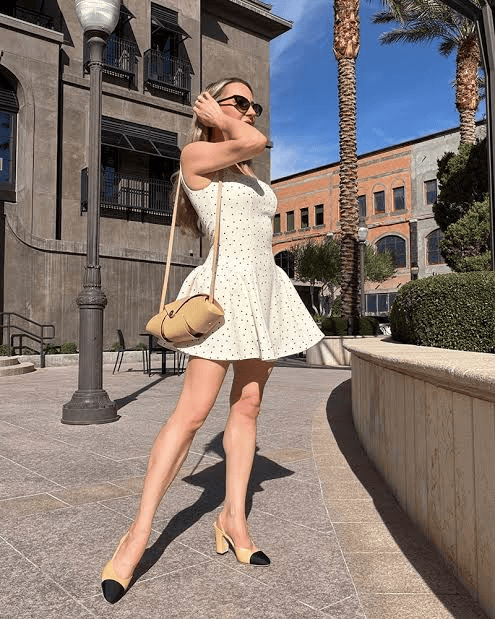
Fashion trends change constantly, but the biggest shift in 2026 is not about following one specific aesthetic. Current collections and street-style coverage point toward more expressive personal style, wearable tailoring, utility-inspired clothing, texture, statement accessories, and pieces that can be styled in several ways.
For shoppers, that means you do not need to replace your entire wardrobe to look current. A few well-chosen pieces, updated colors, or new styling combinations can make familiar clothes feel much more relevant.
Quick Answer: What Are the Biggest Fashion Trends in 2026?
The biggest fashion trends in 2026 include expressive tailoring, utility-inspired clothing, cargo pants, playful matching sets, textured garments, statement accessories, and softer, more personal styling. White is also having a strong moment, with Pantone naming Cloud Dancer its 2026 Color of the Year.
What Are Fashion Trends?
Fashion trends are clothing, accessory, color, silhouette, material, or styling choices that become increasingly popular during a particular period.
A trend can begin on fashion runways, among designers, celebrities, street-style communities, social media users, or consumers. It may then spread through retailers and everyday wardrobes.
However, a fashion trend is not necessarily a rule about what you should wear. Personal style, comfort, budget, climate, culture, and lifestyle all influence whether a trend makes sense for an individual.
That distinction is important because the strongest wardrobes usually combine current trends with timeless pieces.
The Biggest Fashion Trends in 2026
1. Expressive Tailoring
Tailoring remains important, but the 2026 direction is less about rigid office uniforms and more about personality.
Blazers, structured trousers, coordinated suits, and polished separates can be worn with casual pieces to create a less formal look. Vogue’s 2026 trend coverage highlights a broader movement toward expressive and personal dressing rather than a single restrictive aesthetic.
Try pairing:
- A structured blazer with relaxed denim
- Wide or relaxed trousers with a simple fitted top
- A tailored jacket with sneakers
- A coordinated suit with minimal accessories
The goal is polished clothing that still feels like everyday wear.
2. Utility and Cargo Clothing
Utility-inspired clothing continues to influence contemporary fashion. Cargo trousers, practical pockets, relaxed shapes, and workwear references bring function into everyday outfits.
Cargo pants are among the pieces highlighted in Vogue’s summer 2026 trend coverage.
The easiest way to wear the trend is to balance a utility piece with something cleaner. For example, pair cargo trousers with a fitted shirt, simple knit, structured jacket, or streamlined footwear.
This prevents the outfit from looking overly tactical while keeping the utility influence visible.
3. Texture Becomes a Bigger Part of Style
Texture can make a simple outfit look more interesting without relying on loud colors or complicated patterns.
Current fashion coverage is highlighting pieces with tactile details and distinctive surfaces, including textured tops and materials that create movement.
Useful textures to experiment with include:
- Satin
- Fringe
- Ribbed knits
- Embroidery
- Sheer fabrics
- Textured cotton
- Soft leather
- Woven materials
A practical approach is to use one textured item as the focal point and keep the rest of the outfit relatively simple.
4. White Takes Center Stage
White is particularly relevant in 2026 because Pantone selected Cloud Dancer, PANTONE 11-4201, as its Color of the Year.
Pantone describes Cloud Dancer as a versatile white intended to work as a structural color that can harmonize with other shades.
That makes white easy to incorporate into everyday fashion.
Instead of wearing an entirely white outfit, try:
- A white shirt with denim
- White trousers with a colored top
- A white blazer over a simple outfit
- White accessories against darker clothing
- Cream, ivory, and soft-white combinations
White can also make older wardrobe staples feel refreshed without requiring a completely new look.
5. Playful Matching Sets
Matching sets remain an easy way to create a coordinated outfit with minimal styling effort.
A matching shirt and trouser combination, knit set, skirt-and-top pairing, or relaxed co-ord can look intentional without requiring complicated layering.
Vogue’s 2026 trend coverage specifically identifies playful sets as one of the season’s notable directions.
The advantage of a two-piece set is versatility. You can wear both pieces together or separate them and combine each with items already in your wardrobe.
6. Statement Accessories
Accessories are becoming an increasingly useful way to experiment with fashion trends without committing to a completely new wardrobe.
Current Vogue coverage of pre-fall 2026 highlights accessories including scarves, tassel belts, layered necklaces, shield sunglasses, statement bags, bangles, colorful gloves, and distinctive shoes.
This approach is particularly useful if you prefer classic clothing.
For example, a neutral outfit can be updated with:
- A colorful scarf
- A statement belt
- Layered jewelry
- Oversized sunglasses
- A distinctive handbag
- A bold pair of shoes
Accessories also make it easier to test a trend before spending more money on trend-driven clothing.
7. Personal Style Over Micro-Trends
One of the most important developments in current fashion is the move away from constantly chasing small, short-lived aesthetics.
Vogue’s 2026 trend forecasting noted a shift away from the rapid micro-trend cycle and toward broader ideas that allow people to express themselves more individually.
That means you may see fewer reasons to build an entire wardrobe around one internet aesthetic.
Instead, ask:
Does this trend fit my existing style?
Can I wear it in several situations?
Will I still enjoy it after the trend becomes less popular?
Those questions can help separate a useful wardrobe update from an impulse purchase.
Which Fashion Colors Are Trending in 2026?
Color trends change throughout the year, but 2026 has a particularly interesting mix of soft neutrals and expressive shades.
Pantone’s Cloud Dancer provides a strong neutral foundation, while current fashion coverage continues to emphasize color and personal expression.
Useful color directions to explore include:
- Soft white
- Cream and ivory
- Pastels
- Rich reds
- Deep burgundy
- Soft pinks
- Saturated statement colors
- Neutral beige and brown tones
You do not have to wear every trending color. Start with one shade that complements the colors you already own.
How Can You Wear Fashion Trends Without Replacing Your Wardrobe?
The easiest approach is to update your styling rather than rebuild your closet.
Try these five steps:
- Choose one trend. Start with something you genuinely like.
- Use an existing wardrobe staple. Combine the new piece with denim, trousers, shirts, or jackets you already own.
- Add one modern accessory. A scarf, belt, bag, jewelry, or shoe can change the overall appearance.
- Balance proportions. If one item is oversized, consider a more streamlined piece elsewhere.
- Wear the outfit in real life. A trend is useful only if it works with your lifestyle.
For example, you do not need an entirely new wardrobe to try utility fashion. A pair of cargo trousers with an existing white shirt and simple shoes may be enough.
Fashion Trends vs. Timeless Style: What’s the Difference?
A fashion trend is a style that gains popularity during a particular period, while timeless style refers to pieces and combinations that remain useful and attractive over many years.
| Fashion Trends | Timeless Style |
|---|---|
| Changes more frequently | Remains relevant longer |
| Often influenced by current culture | Usually based on versatility |
| Can be seasonal | Works across seasons |
| Encourages experimentation | Provides wardrobe stability |
| May have a shorter lifespan | Usually offers long-term value |
A good wardrobe does not need to choose between the two.
The strongest approach is often a timeless foundation plus carefully selected trends.
For example, classic trousers, denim, shirts, and simple jackets can provide the foundation. A trending accessory, color, silhouette, or textured piece can then add a contemporary element.
How Do You Know Which Fashion Trends Suit You?
Not every popular trend will work for every person.
Consider four factors:
Your Lifestyle
A trend that looks excellent on a runway may not be practical for an office, university, travel, or everyday errands.
Your Comfort
Clothing should allow you to move comfortably. If a trend makes you constantly adjust your clothes, it may not be worth adopting.
Your Existing Wardrobe
Look for trends that complement what you already own. This usually produces more outfits for less money.
Your Personal Style
If your style is minimal, you might incorporate a trend through color or accessories. If you enjoy statement dressing, you may prefer stronger silhouettes or dramatic pieces.
Are Fashion Trends Worth Following?
Yes, but selectively.
Fashion trends are useful when they help you discover new ways to dress, experiment with your appearance, or refresh older wardrobe pieces.
They become less useful when you feel pressured to buy something simply because it is popular.
Before purchasing a trend-driven item, ask:
- Can I style it at least three different ways?
- Does it fit my lifestyle?
- Does it work with clothing I already own?
- Is the quality good enough?
- Would I still wear it if the trend disappeared?
If the answer is mostly yes, it is more likely to be a useful wardrobe purchase.
Common Fashion Trend Mistakes to Avoid
Buying Every Trend
Not every trend needs to become part of your wardrobe. Choose the ones that genuinely suit you.
Ignoring Proportion
A fashionable item can look unbalanced when combined with the wrong silhouette. Consider how loose, fitted, long, or cropped pieces interact.
Copying an Entire Outfit
Inspiration is useful, but copying another person’s entire look may not work with your body, lifestyle, climate, or existing clothes.
Prioritizing Trends Over Quality
A cheap trend that falls apart quickly may provide less value than a well-made item that can be worn for several seasons.
Forgetting Personal Style
Fashion should be a tool for self-expression, not a requirement to follow every popular aesthetic.
How Are Fashion Trends Created?
Fashion trends usually develop through a combination of runway collections, designers, cultural influences, celebrities, street style, social media, retailers, and consumer behavior.
Fashion weeks and designer collections can introduce new silhouettes, colors, fabrics, and styling ideas. Those ideas may then appear in editorial coverage, social media, retail collections, and everyday street style.
Researchers have also explored how large-scale visual data from street imagery and social platforms can be used to identify and forecast fashion trends.
This is one reason fashion trends are no longer driven exclusively by traditional fashion houses. Consumers themselves increasingly participate in creating and spreading styles.
How to Stay Updated on Fashion Trends
You do not need to monitor every fashion account or buy new clothes every season.
A better strategy is to follow a few reliable sources, observe recurring patterns, and decide which ideas actually fit your wardrobe.
Look for trends appearing across several channels:
- Runway collections
- Fashion publications
- Street style
- Retail collections
- Designer interviews
- Fashion weeks
- Social media
- Your own local fashion community
If a style repeatedly appears in different environments, it is more useful to investigate than a single viral post.
The Bottom Line
The biggest fashion trends in 2026 are less about following one strict aesthetic and more about personal expression, useful wardrobe updates, expressive tailoring, utility pieces, texture, coordinated outfits, and statement accessories.
The smartest way to use fashion trends is to treat them as inspiration. Start with pieces you already own, add one or two current elements, and prioritize clothing that fits your lifestyle and personal taste.
Fashion changes quickly. Good personal style does not have to.

Fascisterne: Meaning, Danish Translation, History, and Political Context

Voddler.co.uk Explained: Website Features, History, and Safety Review

Cassandra Jade Estevez: Biography, Family, Husband, and Personal Life

TechTrendery.com USA: Exploring Its Technology Content, Purpose, and What Readers Should Know

Voozon.com: Exploring Its Platform, Content, Publishing Features, and Purpose

Textile Industry News: Latest Global Trends, Trade and Technology Updates
TechTrendery.com USA: Exploring Its Technology Content, Purpose, and What Readers Should Know
Voozon.com: Exploring Its Platform, Content, Publishing Features, and Purpose
Textile Industry News: Latest Global Trends, Trade and Technology Updates
-
 Tech & AI2 months ago
TechTrendery.com USA: Exploring Its Technology Content, Purpose, and What Readers Should Know
-
 Business2 months ago
Voozon.com: Exploring Its Platform, Content, Publishing Features, and Purpose
-
 News2 months ago
Textile Industry News: Latest Global Trends, Trade and Technology Updates
-
 Fashion3 months ago
Fashion Trends 2026: The Latest Styles, Colors, and Looks to Know
-

 Business2 months ago
Best Wireless Earbuds Under 200 Dollars 2026: Features, Sound Quality, and Key Differences Compared
-
 News2 months ago
PayPal Mafia: Key Members, Major Companies, Origins, and Lasting Silicon Valley Impact
-

 Business2 months ago
Crackstube: Understanding the Website, Its Content, and What Visitors Should Know
-

 Business2 months ago
Outsourcing: What It Is, How It Works, Benefits, Types, and Examples